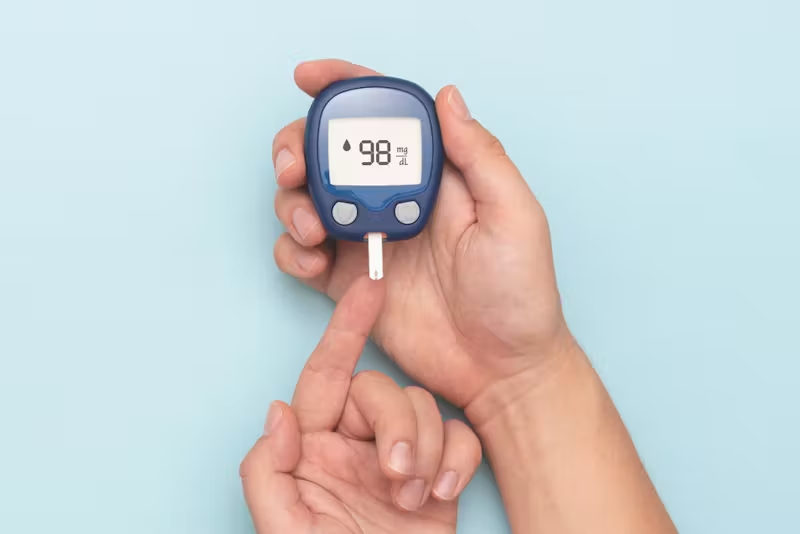
Diabetes, a chronic condition affecting millions globally, occurs when the body struggles to regulate blood sugar levels due to insufficient insulin production or resistance to its effects. Type 2 diabetes, the most common form, is often linked to lifestyle factors like diet, stress, and inactivity, while Type 1 is autoimmune-related. Holistic treatments offer a complementary path, focusing on the whole person—mind, body, and emotions—to improve insulin sensitivity, stabilize glucose, and prevent complications such as neuropathy or heart disease. These approaches emphasize natural methods alongside conventional monitoring, empowering individuals to manage their condition proactively. Always consult a healthcare provider before incorporating new therapies, as they may interact with medications.
In this article, we'll explore evidence-based holistic strategies for diabetes management, drawing from nutrition, traditional systems like Ayurveda and naturopathy, and mind-body practices.
Nutrition and Diet: Building a Foundation for Blood Sugar Stability
A cornerstone of holistic diabetes care is a whole-food, low-glycemic diet that prioritizes fiber-rich vegetables (like broccoli and spinach), legumes (beans, lentils), and healthy fats (avocados, nuts). This approach slows sugar absorption, stabilizing blood glucose and enhancing insulin sensitivity. Intermittent fasting or detox diets, when supervised, can further improve insulin resistance by allowing the body periods of rest from constant digestion.
The Mediterranean-style diet, rich in antioxidants and anti-inflammatory foods like berries and fatty fish, has shown promise in lowering HbA1c levels—a key marker of long-term blood sugar control. Aim for 30 grams of fiber daily and avoiding processed sugars. Personalized plans from a nutritionist can make this sustainable, potentially reducing medication needs over time.
Naturopathy: Harnessing Herbal Remedies and Detoxification
Naturopathy addresses diabetes root causes like inflammation and poor gut health through herbal remedies and supportive therapies. Bitter melon (Momordica charantia) mimics insulin, lowering blood sugar, while fenugreek seeds improve glucose tolerance. Other herbs like cinnamon, berberine, and ginseng have demonstrated blood sugar-lowering effects in studies.
Hydrotherapy, such as contrast showers, enhances circulation, and detoxification methods like hydrocolon therapy support gut microbiome balance, crucial for metabolic health. Naturopathic doctors often combine these with lifestyle counseling for holistic results, with evidence showing reduced glucose in fasting users.
Ayurveda: Balancing Doshas for Metabolic Harmony
Ayurveda views diabetes as an imbalance in doshas (vata, pitta, kapha), treating it with herbs, yoga, and detox. Turmeric (curcumin) reduces inflammation, while gymnema sylvestre ("sugar destroyer") blocks sugar absorption and enhances insulin production. Panchakarma detoxification therapies cleanse the body, improving metabolism. Yoga and pranayama (breathing) are integral, with studies showing reduced HbA1c in participants. Personalized Ayurvedic plans, including herbs like amla or neem, can complement conventional care, promoting long-term glucose control.
Yoga and Meditation: Mind-Body Practices for Glycemic Control
Yoga poses like Surya Namaskar (Sun Salutation) stimulate the pancreas and improve circulation, while mindfulness meditation reduces stress hormones that spike blood sugar. Research indicates yoga lowers HbA1c, body mass index, and cholesterol in Type 2 diabetes patients. Meditation, practiced 10-20 minutes daily, enhances insulin sensitivity by lowering cortisol. These accessible practices foster emotional well-being, reducing diabetes-related anxiety.
Acupuncture: Stimulating Energy Flow for Pancreatic Support
Acupuncture targets points to regulate qi, potentially lowering HbA1c by enhancing pancreatic function and insulin sensitivity. Meta-analyses show reductions in fasting glucose and post-meal spikes, with benefits for neuropathy symptoms. Sessions, often weekly, are safe and can integrate with other therapies.
Homeopathy: Individualized Remedies for Symptom Relief
Homeopathy offers personalized remedies like Syzygium jambolanum for excessive thirst or Phosphoric acid for fatigue, aiming to stimulate the body's healing. While evidence is mixed, some trials suggest benefits in preventing prediabetes progression when combined with lifestyle changes. It's best used as a complementary tool under professional guidance of a certified homeopath.
Physiotherapy: Tailored Exercise for Improved Circulation
Physiotherapy prescribes exercises like aerobic walking or resistance training to boost muscle glucose uptake and circulation, reducing complication risks. Programs aim for 150 minutes weekly, improving HbA1c and cardiovascular health. Customized plans address mobility issues, making it ideal for older adults.
Conclusion: Embracing a Holistic Path to Wellness
Holistic treatments support bio-psycho-social aspects of diabetes, often enhancing conventional monitoring for better outcomes. By integrating these methods, individuals can achieve sustainable blood sugar control and improved quality of life. Start small, track progress, and collaborate with professionals for personalized care.
Cited Sources, if you want to go in more depth research:
- Diabetes diet: Create your healthy-eating plan - Mayo Clinic
- What superstar foods are good for diabetes? | ADA
- Dietary Advice For Individuals with Diabetes - Endotext - NCBI - NIH
- 14 Easy Ways to Lower Blood Sugar Levels Naturally - Healthline
- 10 Natural Home Remedies for Type 2 Diabetes - Stamford Health
- Nourishing Your Way to Stable Blood Sugars: A Holistic Approach to ...
- Holistic Care Management of Diabetes Mellitus: An Integrative Review
- 10 Natural Home Remedies for Type 2 Diabetes - Stamford Health
- Medicinal plants that can help with diabetes
- Complementary and Alternative Medicine for Diabetes
- Herbs and Supplements for Diabetes - Healthline
- Type 2 diabetes: Using herbs and supplements - Medical News Today
- Experiences of Patients on Natural Herbal Treatments for Diabetes ...
- 8 Effective Herbs to Lower Blood Sugar Levels | PharmEasy
- Naturopathic Approaches to Diabetes Management - AANMC
- Effect of Ayurveda intervention, lifestyle modification and Yoga in ...
- Ayurvedic Treatment for Diabetes in India
- An Ayurvedic Approach to Diabetes - Oneworld Ayurveda
- Combined Ayurveda and Yoga Practices for Newly Diagnosed Type ...
- Effect of Holistic Module of Yoga and Ayurvedic Panchakarma in ...
- Balancing Blood Sugar: Ayurvedic Treatment and Management for ...
- Can Ayurvedic Treatment Help with Diabetic Neuropathy? - Healthline
- Yoga & Meditation for Diabetes Control: A Natural Path to Better ...
- Therapeutic Role of Yoga in Type 2 Diabetes - PMC - PubMed Central
- A mindful way to help manage type 2 diabetes? - Harvard Health
- Yoga and other holistic practices improve blood sugar control in ...
- Diabetes and Yoga: A Holistic Approach to Healing
- Effect of 6 Months of Meditation on Blood Sugar, Glycosylated ... - NIH
- Meditation Options For Diabetes And Blood Glucose Levels
- Yoga for diabetes: breathe, relax, stretch…and reduce your blood ...
- The effect of acupuncture on blood glucose control in patients with ...
- Therapeutic effects of acupuncture on blood glucose level among ...
- A Systematic Review of 21 Randomised Controlled Trials - Metabolism
- Effect of Acupuncture Therapy on HbA1c Levels in Type II Diabetes ...
- Effect of Zuo's warming Yang acupuncture therapy combined with ...
- Effect of acupuncture for type 2 diabetes mellitus: a systematic ...
- Acupuncture for diabetes: Benefits, techniques, and risks
- Physical Activity in Diabetes - Physiopedia
- Weekly Exercise Targets | American Diabetes Association
- Physical Therapy Guide to Diabetes - Choose PT
- The essential role of exercise in the management of type 2 diabetes
- The Best Exercises If You Have Diabetes or Prediabetes - Healthline
- Physical Activity/Exercise and Diabetes: A Position Statement of the ...
- Ameliorating effect of mother tincture of Syzygium jambolanum ... - NIH
- A double-blind, randomized, placebo-controlled, parallel-arm trial
- Homeopathic Remedies for Diabetes: Do They Work? - Healthline
- A Double-Blind, Randomized, Placebo-Controlled Clinical Trial to ...
- What You Need to Know About Diabetes and Homeopathic Remedies
- Practice, prescription habits, experience and perception of Indian ...
- Holistic approach to prevention and management of type 2 diabetes ...
- A Holistic Approach to Diabetes Management | Bastyr University
- Holistic Care Management of Diabetes Mellitus: An Integrative Review
- Holistic Approaches to Managing Diabetes - DHW Blog - Duke Health
- A review of whole-medical systems and holistic care approach for ...